Bok Choy: The Crisp, Green MVP Your Kitchen Deserves

If vegetables had personalities, bok choy would be the effortlessly cool friend who shows up everywhere, gets along with everyone, and somehow makes the whole group better. Mild, crunchy, and endlessly adaptable, bok choy is one of those greens that quietly earns a starring role once you start cooking with it.

Texture

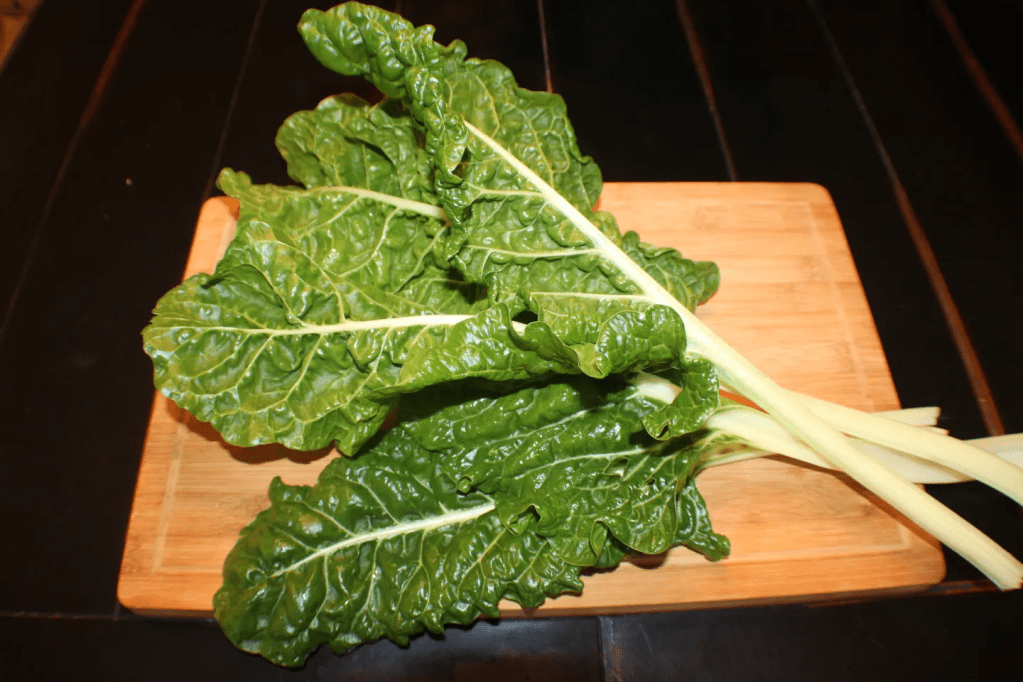
This is truly bok choy’s superpower. The pale green stems stay delightfully crisp when sautéed or roasted, while the darker leaves soften into tender silkiness. One vegetable, two textures, zero boredom. It’s a built-in upgrade for stir-fries, soups, sheet-pan dinners, and even salads.

Flavor

Bok choy is gently sweet and clean, without bitterness or heaviness. That makes it a culinary chameleon: it soaks up garlic, ginger, miso, lemon, olive oil, chili crisp, or Parmesan.

Whether your cooking leans Asian-inspired, Mediterranean, or cozy American comfort food, bok choy fits right in without demanding the spotlight. From a nutrition standpoint, bok choy punches well above its weight. It’s rich in vitamins A, C, and K, offers calcium for bone health, and delivers fiber without being dense or starchy. In other words, it’s nourishing without feeling like “health food.” You can eat a generous portion and still feel light, energized, and satisfied.

This is a vegetable for real life. It cooks in minutes, making it perfect for weeknights when you want something fresh but don’t want to spend time hovering over the stove. A quick sauté, a fast roast, a brief simmer in broth—and dinner suddenly feels intentional.

Bok choy is also wonderfully budget- and waste-friendly. The entire plant is edible, from stem to leaf, and it keeps well in the fridge. Baby bok choy feels elegant enough for guests, while full-sized heads are hearty enough to anchor a family meal.

Perhaps its best feature is how bok choy makes meals feel bright and alive, even in the middle of winter. Its juicy crunch and vibrant green color bring freshness to the plate when other vegetables feel tired or heavy. In short, bok choy is dependable, flexible, and quietly exciting—exactly the kind of ingredient that turns everyday cooking into something a little more joyful. If it’s not already a regular in your kitchen, consider this your friendly nudge to invite it in.

Garlic–Ginger Bok Choy

1–2 heads bok choy, sliced (separate stems and leaves)

1 T. olive or avocado oil

1–2 cloves garlic, minced

1 t. fresh ginger, grated

Splash of low-sodium soy sauce or tamari

Optional: sesame oil (½ tsp)

Heat oil over medium. Sauté garlic and ginger for 30 seconds. Add stems first; cook 2–3 minutes. Add leaves and soy sauce; cook until just wilted. 5. Finish with a few drops of sesame oil.

Roasted Bok Choy with Lemon & Parmesan

Bok choy halved lengthwise

Olive oil

Salt, pepper

Lemon zest + squeeze

Optional: grated parmesan or pecorino

Drizzle bok choy with olive oil. Roast at 425°F (220°C) for 12–15 minutes, cut side down. 2. Flip, roast 3–5 minutes more. 3. Finish with lemon and a light sprinkle of cheese.

Bok Choy & Mushroom Stir-Fry

1 head bok choy, stems and leaves chopped separately

1 T. olive oil

1/2 c. sliced mushrooms (shiitake or cremini)

1 clove garlic, minced

1 T low-sodium soy sauce

1 t. rice vinegar

1/4 c. scallions, sliced

Stir-fry mushrooms in oil until browned. Add garlic and bok choy stems and saute 2-3 minutes. Add leaves, soy sauce, and vinegar. Serve over cooked brown rice or farro. Sprinkle with scallions.

Ah, the Pilaf! Here’s to More Grains in our Diets

One of my go-to dishes for almost any dinner menu is a pilaf (or pilau). Made popular by the French, this dish is simply rice toasted in oil or butter and then cooked in seasoned broth with additions like onions, spices, vegetables, or meat. It can be a delicious side dish or pumped up into a main entree. 

The great thing about pilaf is that there are endless riffs on it. Rice is the traditional base, but you can use barley, quinoa, millet, farro, amaranth, freekah, buckwheat, sorghum, spelt, or teff. Or rice – black, basmati, brown, or white. 

Overwhelmed with the choices? This is a great way to add more whole grains to our diets. Most food co-ops have a wide variety of grain and seed choices. Many regular grocery stores are picking up the banner as well. And grains and seeds are quite simple to cook. You just need a little extra time to prepare some of them (and an InstaPot is a great investment to reduce time). 

There are a million choices to add to the pilaf, and you can pick and choose according to your taste. Some of my picks are mushrooms, always onions and garlic, zucchini, peas, carrots, celery……..

Here is the basic pilaf recipe. Use it to explore your own creativity. 

Start with 2 cups cooked grain or seeds (for example, amaranth and quinoa are seeds, barley and farro are grains). You can also make pilaf from small pasta such as orzo or pastina. 

Cook according to the directions and then fluff and cool. Many of the grains benefit from being toasted in a dry skillet or with a little olive oil until they smell nutty. This does an amazing job of adding flavor. 

Chop onions and garlic and saute in a film of olive oil until translucent. Add chopped mushrooms, carrots, zucchini, green peas, broccoli, edamame and whatever else sounds good. Continue to saute until the vegetables are cooked to your liking. 

Add the grain or rice and seasonings of choice, chopped herbs, a squeeze of lemon. If desired, stir in chopped spinach to wilt. Warm the pilaf in the skillet, sprinkle with parmesan and/or chopped toasted nuts if desired, and serve. 

Pilaf stores well for several days in the fridge, and once you’ve had your fill as a side dish, simply add it to broth for a delicious soup or mix it into a frittata. 

Creamy tomato bisque to warm your autumn nights

Having spent two weeks in Maine this past summer, I’m sort of overwhelmed with lobster. I like it, but not in the traditional sense. My favorite lobster dish is lobster bisque. In fact, I like just about any type of bisque. As the days cool and we roll into autumn, it’s the perfect time for soups.

Lobster bisque

Soups with clear broths are certainly tasty, but I lean toward the creaminess of bisques to satisfy my hunger and my need for warmth. A bisque is simply a creamy soup, most often pureed. However, some bisques have bits of lobster, crab, or tomatoes. As a cream soup gets chunky, you are moving toward the chowder end of the soup scale. Chowders usually start with a butter and milk roux, which makes them heavier.

Tomato Bisque

I think my favorite bisque is tomato basil bisque. A lot of restaurants carry it and many grocery store delis now have it. But it’s so easy to make, especially if you use your own home-canned tomatoes. So, warm up the soup pot and make a delicious tomato bisque for dinner.

Pumpkin bisque

You can also make a lovely pumpkin bisque by substituting the vegetables with about two cups of cooked pumpkin. Add cinnamon if you like the taste. Crispy fried sage leaves on top give it a wonderful depth.

Tomato Bisque

Serves 4

10 roma tomatoes, quartered, or 2 pint jars of home-canned tomatoes or 2 cans chopped tomatoes
2 cloves garlic
1 sweet pepper, roasted and peeled
2 carrots cut into 2” pieces
1 cup stock
4-5 leaves fresh basil, minced
½ cup half and half, heavy cream or evaporated non-fat milk if you want to reduce calores.

Roast tomatoes, garlic, carrots and peppers about half an hour at 375 until carrots are tender when pierced with a fork. (Any mix of vegetables will work, but make the base of tomatoes)

When cool, puree with a hand blender. Add stock (vegetable or chicken), herbs to season, and heat until simmering. Turn off the heat and add cream to make it creamy. Heat very gently, or it will curdle. Top with garlic croutons and serve with warm crusty bread and a fresh salad.

Delicious Herbs!

It’s the time of year to celebrate herbs. They are coming in at a crazy pace, so I have my dehydrator running almost non-stop. Fresh and freshly dried herbs and herb mixes add special nuance to freshly prepared foods that will take your cooking to a new level. And they are so easy to grow.

Basil

Delicious when used fresh in pesto. The pesto can be frozen for a burst of flavor all winter (freeze in ice cube trays). Be sure to try lemon and cinnamon basil for a new take on pesto. Dried basil is a staple for chicken soups and stews, and on roasted potatoes.

Chives add essential freshness to salads, potatoes, and even stir-fries. Don’t be tempted to dry them as they usually end up tasting like grass with onion overtones. Instead, chop them fresh and put them in the freezer. They will keep their spring flavor.

Cilantro

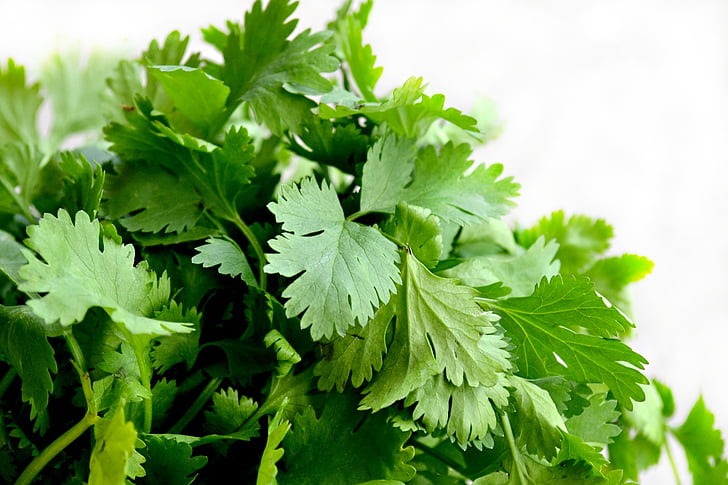
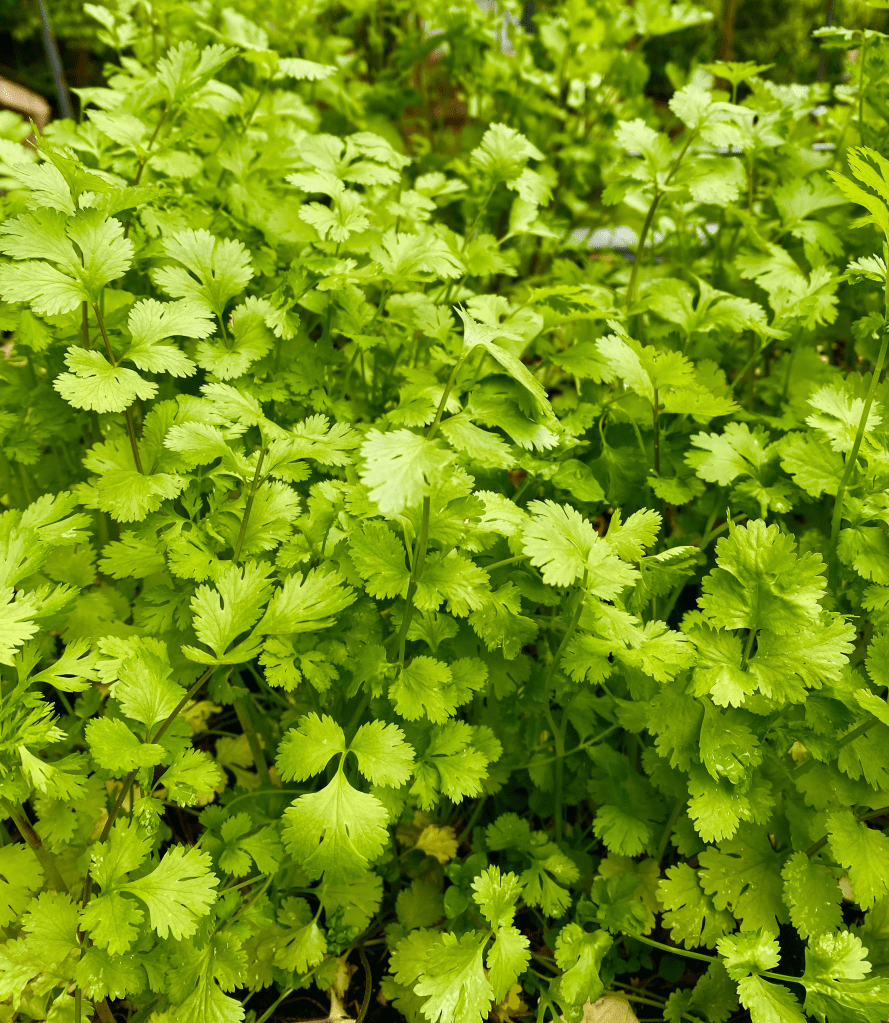
Lovely fresh addition to salsas and soups, but unfortunately, there’s not much you can do to preserve it. I’ve tried dehydrating, freezing in water, and freezing in oil. None of these methods preserves the flavor. You’ll just have to rely on the grocery or grow some on your windowsill.

Marjoram

A very floral but quite strongly flavored cousin to oregano. It is an essential component of Mediterranean herb mixes. It’s a delicate plant, and I find it hard to grow enough to preserve. I rely on my local coop, where I can buy in bulk to make my mixes.

I have a love-hate relationship with oregano. It is too strong for my tastes. However, it is still a main ingredient in Italian and Provençal herb mixes. So, I do dry it.

Its scent instantly makes my mouth water for roasted potatoes. It is a beautiful addition to focaccia, roasting meats, and green beans. If you dry it, pulverize it before using, or you will have a dish with hard little unpalatable sticks. 

Rosemary cuttings

I dry some of this for herb mixes and Thanksgiving stuffing. Otherwise, it is pretty strong. Although I did discover fried sage leaves this year – a perfect accompaniment to roasted winter squash.

Fresh thyme lends a lovely essence to vegetable and meat dishes; dried thyme is key in many marinades.

My favorite herb mixes:

Creole Seasoning – make dirty rice or season blackened fish

2 ½ T. paprika 2 T. salt 1 T. garlic powder 1 T. black pepper
1 T. onion powder 1 T. cayenne pepper 1 T. dried oregano 1 T. thyme

Italian – essential taste of Italy for spaghetti sauce or delicious on roasted potatoes

¼ c. oregano ¼ c. basil 4 t. garlic powder 4 t. thyme 4 t. rosemary
4 t. chili flakes 4 t. marjoram 4 t. paprika

Mediterranean mix – marinate fish or roast potatoes and other vegetables such as eggplant, zucchini, green beans

1 T. garlic powder 1 T. basil 1 T. oregano ¾ T. salt ½ T. dill
½ T. onion powder 1 t. rosemary powder 1 t. black pepper 1 t. thyme ½ t. marjoram

Mexican – excellent for tacos, burrito bowls, Mexican street corn

1 T. oregano 1 T. chili powder 1 t. cumin 1 t. coriander 1 t. bay leaf
1 t. paprika (smoked or plain) 1 t. onion 1 t. garlic powder 1 t. salt

Mint – delicious and unusual addition to fruit salads

1 T. mint 1 T. marjoram 1 T. tarragon 1 t. lemon balm 1 t. rosemary 1 t. chili flakes

Ranch – use on fish, grilled potatoes, zucchini, and summer squash. Or mix into salad dressing

1 T. oregano 1 T. dill 1 T. ground black pepper 1 t. garlic powder 1 t. thyme

Do you have too much zucchini?

Zucchini is summer’s overachiever, but the best part is that it can do almost anything in the kitchen. From raw in a salad to sauteed to baked to stuffed to zucchini bread.. All are fair game. Here are a few ideas to help out if you are overrun, as I seem to be.

Zucchini ribbons – Use a vegetable peeler to slice into ribbons and then toss with olive oil, lemon juice and Parmesan cheese.

Zucchini sticks – slice into thick sticks and dip in hummus, tzatziki or salsa.

Grated fresh – adds crunch and mild sweetness to salads.

Slice into rounds and sauté with garlic, olive oil, and a pinch of chili flakes.

Slice into planks, dress with olive oil, salt and pepper, and do a quick sear or grill on both sides.

Slice into rounds and toss with soy sauce, sesame oil, and any other vegetables you favor. Do a quick stir-fry in a hot wok. Add chicken, tofu or shrimp for extra protein.

Classic Italian side dish – saute zucchini rounds with sliced sweet peppers, onions and garlic until tender.

Tromboncino zucchini – a classic Italian variety

Zucchini noodles – slice into thin ribbons or use a spiralizer. Steam lightly and then top with pesto, marinara, or peanut sauce.

Zucchini pancakes – shred and squeeze out the moisture. Mix with egg, a bit of flour or panko breadcrumbs, shredded carrots and finely chopped onion. Saute until lightly browned on both sides. Serve with sour cream and applesauce on the side.

Stuffed zucchini boats – Slice in half and scoop out the center meat, leaving about ¼ inch in the peel. Fill with cooked quinoa, tomatoes, and herbs of your choice. Top with parmesan or mozzarella cheese. Bake at 350 for half an hour.

And if you still have an abundance, shred it, skin and all, squeeze out the moisture and freeze in portions for soups or breads.

Light Summer Recipes: Beat the Heat

So, who wants to cook in this heat? I work in the garden in the cool of the morning and bring in my daily harvest. But when I look at the lovelies on the kitchen counter, I find I have no energy left to cook an evening meal. So, I’ve put together some of my favorite ways to avoid heating the kitchen, meals that are quick to fix, use those exquisite fresh ingredients that are abundant right now, and taste refreshing on a hot summer day.

Don’t be shy to heat the grill. Any vegetables you have on hand, like bell peppers, zucchini, and eggplant, take only a few minutes to carmelize a bit in a grill basket. Toss them with fresh herbs, olive oil, and a squeeze of lemon juice. Serve over crisp greens or cooked quinoa.

Prepare rice, soba or spaghetti noodles according to package directions. Let cool and toss with carrots, bell peppers, cucumbers and snow peas. Toss with a sesame-ginger dressing or peanut sauce.

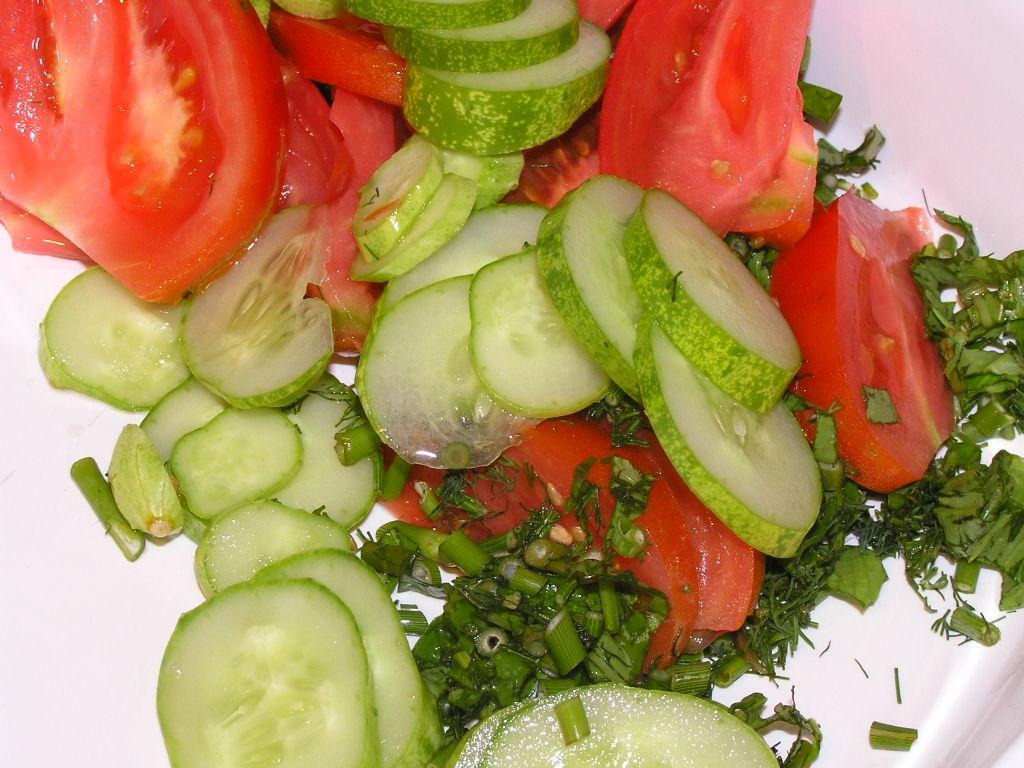
Gazpacho and cucumber soup are perfect for hot days. Blend fresh tomatoes or cucumbers with onions, garlic, herbs, a splash of olive oil, and a splash of your favorite hot sauce (mine is sriracha). Serve with crusty bread or sprinkle with crisp croutons.

Layer slices of ripe tomatoes, fresh mozzarella, and basil leaves. Drizzle with balsamic glaze, olive oil, salt, and pepper.

Grill fish or shrimp, add to a taco shell, and top with crunchy slaw, avocado, and a squeeze of lime.

Scents in the Garden (and fruit shortcake)

I was walking through the garden, on a mission to get pruners from the shed, and was struck by the scent of lilies. The fragrance lifted my spirits, slowed me down and gave me an extra spring in my step to get my task done. 

I must have fragrance in my garden. Sticking my nose into a petunia with no scent is like kissing someone through a screen door. All the parts of the scene are there but not the pleasure. So I shop for petunias in the evening when they are releasing their heavenly odors and I can determine just which ones do have that velvety, cinnamon-clove essence. 

Some fragrances are happy natural occurrences, such as the damp woodsy smell that wafts over you when you walk past spruces and white pines. Then there are those scents we deliberately choose. One of my all-time favorites is Oriental lily, which carries me back to the lands of my childhood fantasies, full of knights and Arabian princesses. Sleeping in a room with Stargazer lily floating in a bowl by the bedside induces wonderful dreams.

Oriental lilies are more heavily scented at night, so one year I decided to complement their scent beneath my office window with the sweet perfume of nicotiana, also fragrant in the evening. As the softness of dusk approached, the perfumes began to drift upward, teasing my nose with their embroidered odors. As the evening wore on the combined scents became heavy, cloying and more than I could stand. I no longer felt like an Arabian princess but a nine-year-old who had wandered past the dime store perfume counter, trying every cheap scent on one wrist. I moved the nicotiana. 

I love placing scents so garden visitors turn their heads, looking for the source. We all know to bend over and sniff roses, but who knows that planting an overhead arbor with grapes makes wonderfully fragrant shade? Grape blossoms are sweetly scented, bringing spring weddings and flower girls to mind. Then when the grapes are fruiting, the ripe muskiness evokes another feeling entirely, that of the robust Tuscan countryside at harvest time. 

Memories of people, places and times are inescapably tied to fragrance, and there’s nothing as sweet as being reminded of a favorite person or a pleasant time in one’s life by a scent on the wind. Some scents may make us melancholy, but others can lift the spirits to float on the wind. Nothing makes me hungry faster than brushing rosemary when working in the herb bed. And I always smile when I detect the perfume of freesias, which my step-mom has always put by my bed when I visit. 

Fruit Shortcake

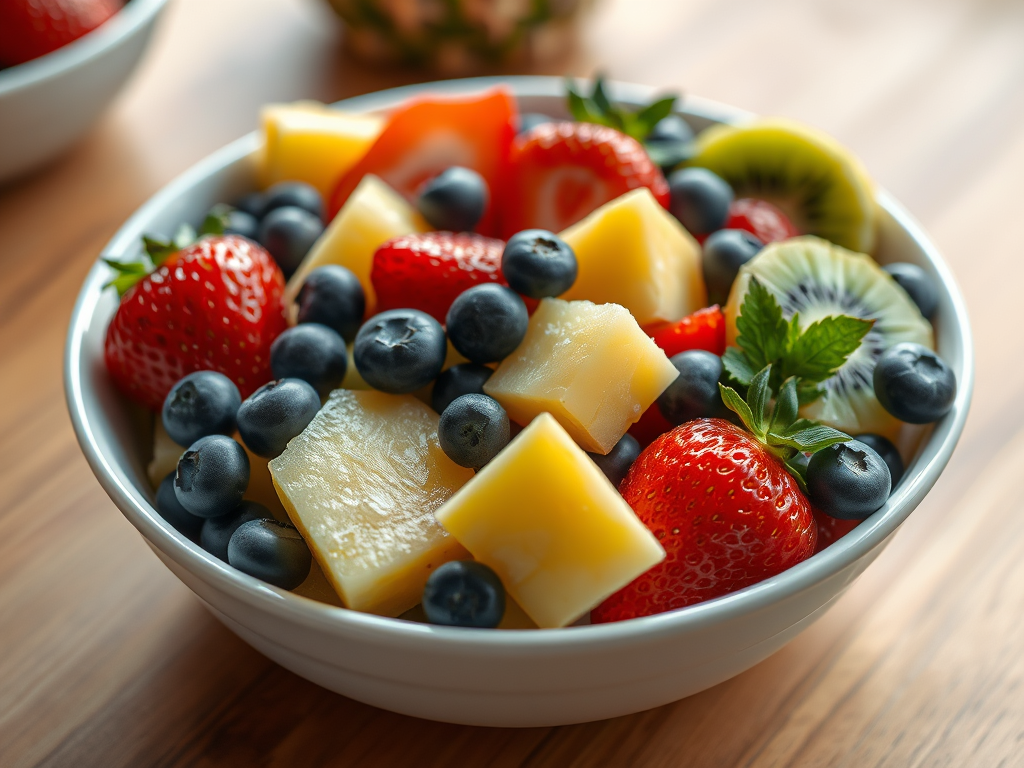
We are at the peak of summer fruit season, and nothing is so appealing as fresh fruit shortcake. Traditional shortcake is very much like a biscuit, just with a little sugar added. Use whatever fruit is in season and embellish with whipped cream, ice cream or simply a sprig of mint.

1 c. wheat pastry flour
1 c. all-purpose flour
1 T. baking powder
½ t. salt
¼ t. Soda
2 T. sugar
6 T. butter
1 c. buttermilk

Blend the dry ingredients. Cut in the butter with a fork or pastry cutter. Add buttermilk and mix lightly. Turn onto a floured board and roll out to about half an inch thick. Cut with a biscuit cutter or an upside-down glass and place on an ungreased cookie sheet. Bake at 450 for 15 minutes. Split and adorn with fruit.

Easy Spring Stir-Fry Recipes for Healthy Meals

Happy Earth Day, everyone! At this time of year, the soothing green of plants and the soft spring days override the memories of a cold winter. It’s a time to be contemplative and appreciative of our earth and gardens. It’s the perfect time to recalibrate. clean out those closets, and clean up our food priorities.

It’s so much easier to pull off a healthy meal when the stress of planning and cooking is eased. So let’s put our energy into clean, simple meals that let us focus on our health. Put the heavier soups and stews away for next fall.

Let’s Stir-Fry!

One of the freshest and easiest meals to make quickly is a stir-fry. Serve a chopped salad alongside, and you have a power-packed meal. Varying the vegetables and sauce flavors i the stir-fry can make it different each time.

Do you use all of the head of broccoli? My family isn’t fond of the stems, so I roast the florets for a meal and then peel the stems (quick and easy with a carrot peeler) and grate them. Add to shredded carrot and cabbage for a delicious slaw. I like to make my dressing, but I keep commercial slaw dressing on hand to make things easier.

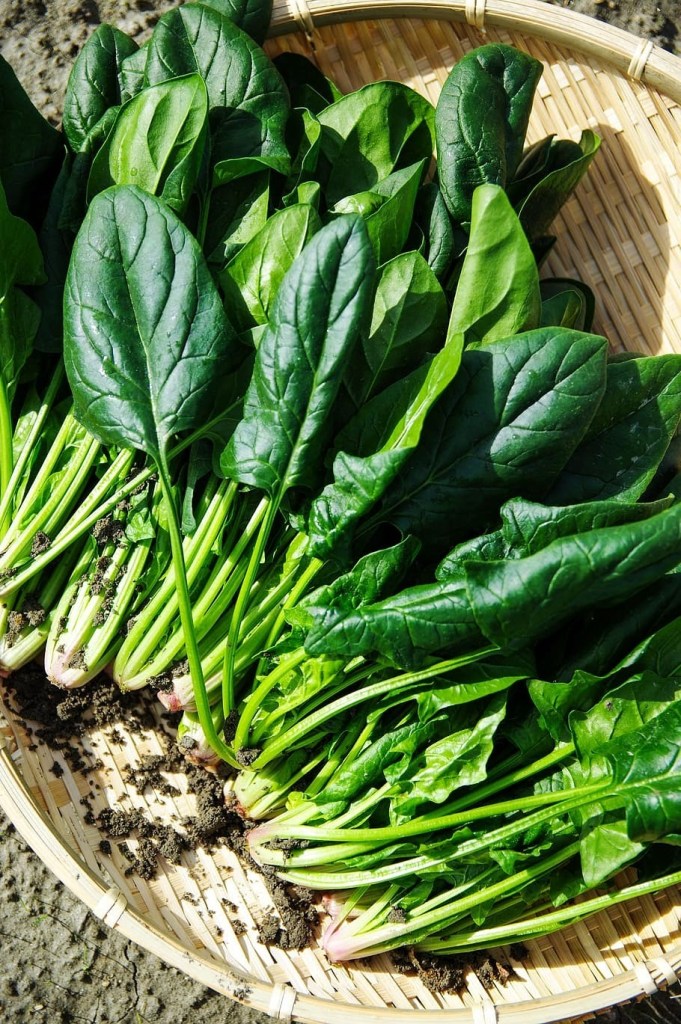
Best of all, the slaw mix makes a great salad and but can also make quick stir-fry if you use it before adding dressing. Simply add a bit of spinach or whatever greens you have on hand. Even a handful of frozen vegetables will add extra nutrition. Scramble an egg right in the pan for added protein, or add roasted tofu or leftover roasted chicken. Use a bottled stir-fry sauce of your choice, and serve over leftover rice or noodles.

You can certainly make stir-fry sauces yourself, but don’t be hesitant to buy bottled sauces as long as you check the ingredients carefully. Having peanut sauce, barbecue, or any flavor of Asian sauces will make pulling off a quick meal even quicker.

Stir-Fry Sauce - Kikkoman Home Cooks

2 T. brown sugar
3 T. soy sauce
1 t. grated fresh ginger
1 clove garlic, minced
¾ water or broth
4 T. cornstarch

Mix and let sit for half an hour. Add to vegetables when almost done.

1/2 c. mayonnaise
1/4 c. fresh cilantro leaves packed
1-2 green onions
1 garlic clove
1 lime zested and juiced
1 jalapeño or serrano chile, stem removed
1/4 tsp ground cumin
1/4 tsp kosher salt
1/8 tsp black pepper

Blend

Or try one of these on your chopped salad:

1 ripe avocado, halved, seeded, and peeled
4 ounces plain low-fat yogurt
2 tablespoons snipped fresh cilantro
2 tablespoons snipped fresh parsley
1 tablespoon lime juice
1 tablespoon olive oil

Blend

1/2 cup tahini
1/2 cup red wine vinegar
1/2 lemon juiced, to taste
1 tsp oregano
1/2 tsp garlic salt
pepper to taste
water as needed

Blend

Simple Vegetable Gardens

With the world in such a stir today, the more I can simplify my life, the better I’ll feel. Grocery prices are soaring as are restaurant prices so I’ve made a promise to myself to grow some of my family’s produce. I don’t want to complicate my life by having to manage a large vegetable garden. But many vegetables are easy to grow and can even be grown in a pot on the porch.

One of the keys to success is to grow in season. Unless you have perfect conditions, it won’t be possible to grow spinach, snow peas or bok choi in the middle of a hot summer. They are spring and fall vegetables. But you can grow kale, Swiss chard and many other Asian greens all summer.

And planting every few weeks will keep the produce coming. Bush beans grow beautifully in a pot, and planting every two or three weeks will keep them producing all summer.

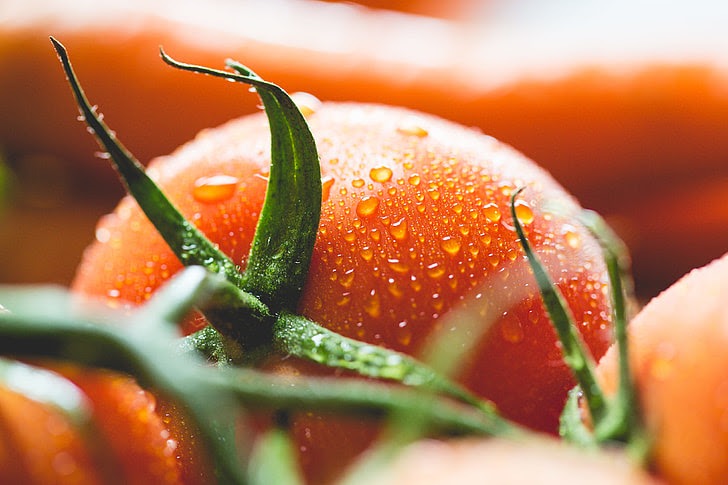
Afraid that tomatoes need a lot of care – trellising, spraying, etc? There are new varieties of smaller tomato plants with “potato” type leaves that are compact and inherently quite disease-resistant. You can pick a warm, just ripened tomato from a pot on your porch.

It seems every garden store has plenty of onion sets, and planting a few every two weeks will give you scallions all summer long. Plant them in a pot with radishes and you have an instant salad.

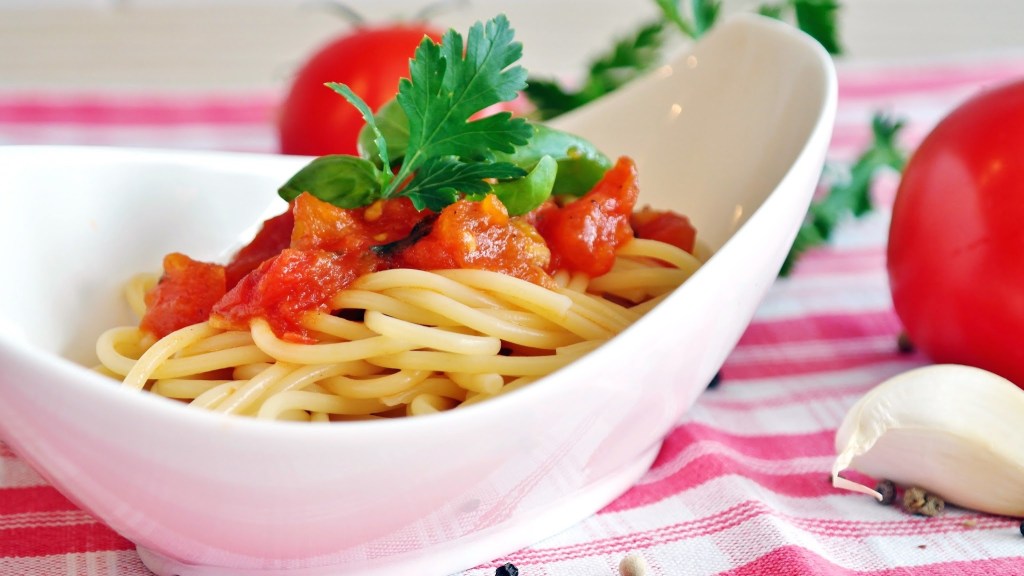
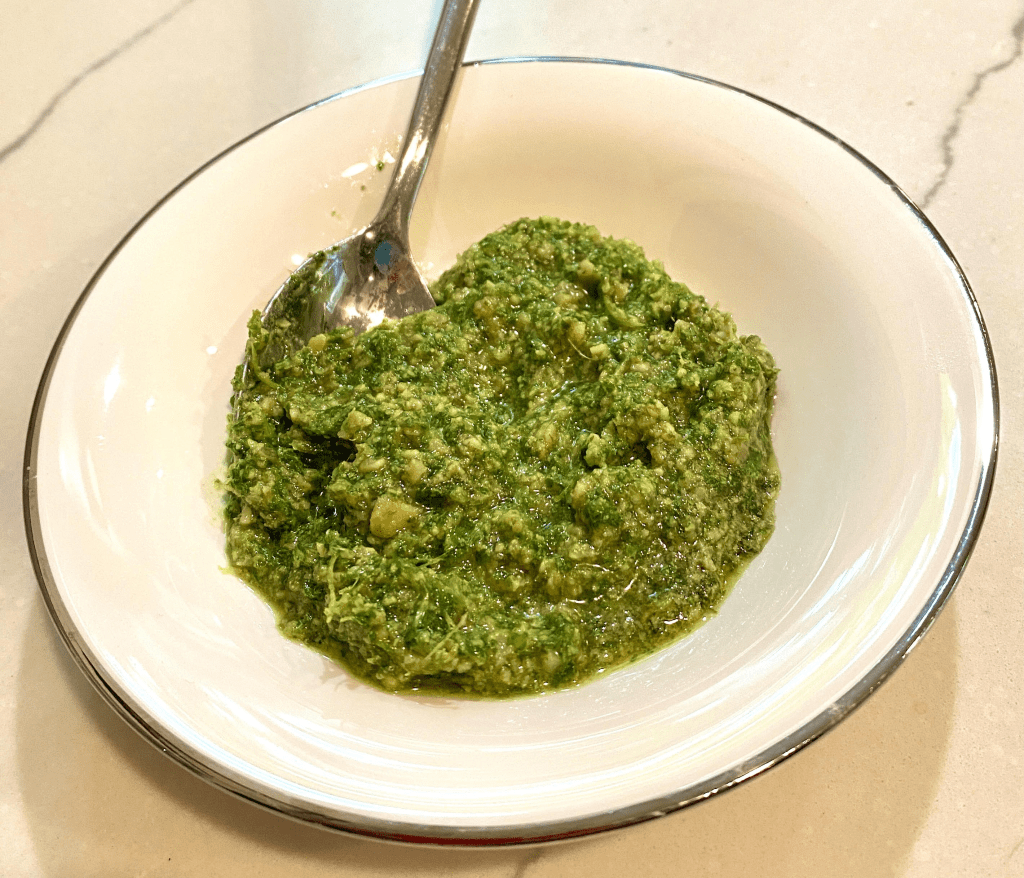
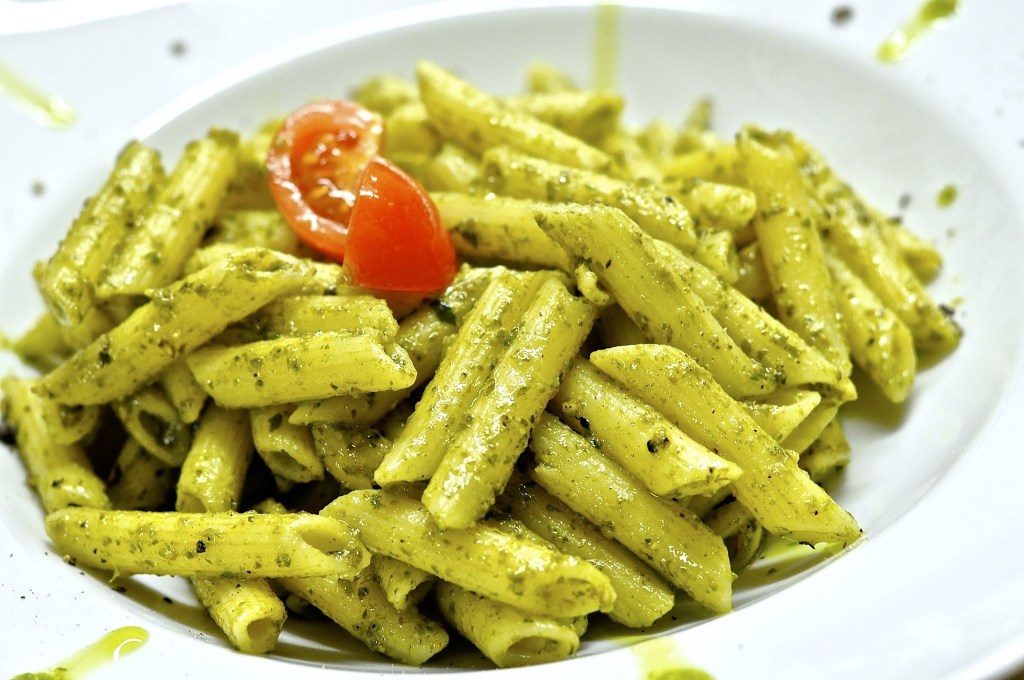
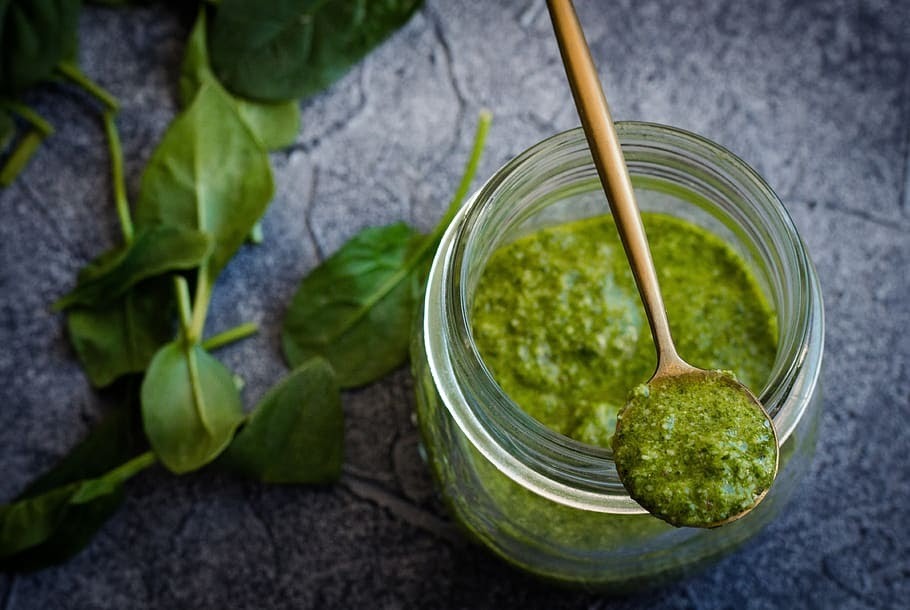
An herb garden of dill, arugula and cilantro will grow spectacularly in a pot. Add some basil and use them for pesto (what could be simpler and tastier than hot pasta tossed with pesto and fresh tomatoes?).

3 cloves garlic
2 c. fresh basil leaves
¼ c. nuts
1 ½ t. salt
¼ t. pepper
½ cup olive oil
3 oz. Parmesan

Combine all ingredients except oil and cheese in blender or processor. Add half the oil. Process while adding other half the oil. Stir in cheese as you serve.

3 T. toasted pecans, walnuts or pine nuts (toasting gives them a fabulous flavor that raw nuts don’t have)
7 c. greens, stems removed
¼ chopped fresh basil
2 T. lemon juice
½ t. salt
¼ t. pepper
2 garlic cloves, minced (or substitute ½ cup chopped garlic scapes)
2 T. water
1 T. olive oil
¼ c. Parmesan cheese

Place ingredients through garlic in food processor – process until smooth. Slowly pour water and oil through chute with processor on until well blended. Add cheese when serving.

Make it Easy

I’ll admit that as much as I love to cook, there are plenty of times when I’m just too exhausted to spend the energy to figure out what to cook, find a recipe and gather ingredients. But I have to eat.

I hope to provide simple recipes that avoid the tyranny of long lists of ingredients and extended prep times. Nothing is more discouraging than looking at a tasty recipe and realizing that it has 23 ingredients, many of which you’ll need to go out and buy. Five ingredients make a much less daunting proposal.

You may be an expert cook who is comfortable in the kitchen and can improvise on most recipes. But most of us are novices in some way, so my recipes are basic, with only a few ingredients. Then you can add whatever you have on hand.

Here are a few suggestions for quick meals that are as simple as possible.

–Saute whatever vegetables you have in the fridge (even lettuce) and toss into scrambled eggs with cottage cheese. My faves are shredded cabbage and leftover mashed potatoes.

–Toss chopped vegetables (tomatoes, broccoli, garlic, onions, carrots, zucchini…) with olive oil and roast in a 375 oven until tender and a bit caramelized. Season to taste (garlic powder, Italian seasoning, harissa, etc.). Add to hot pasta with parmesan.

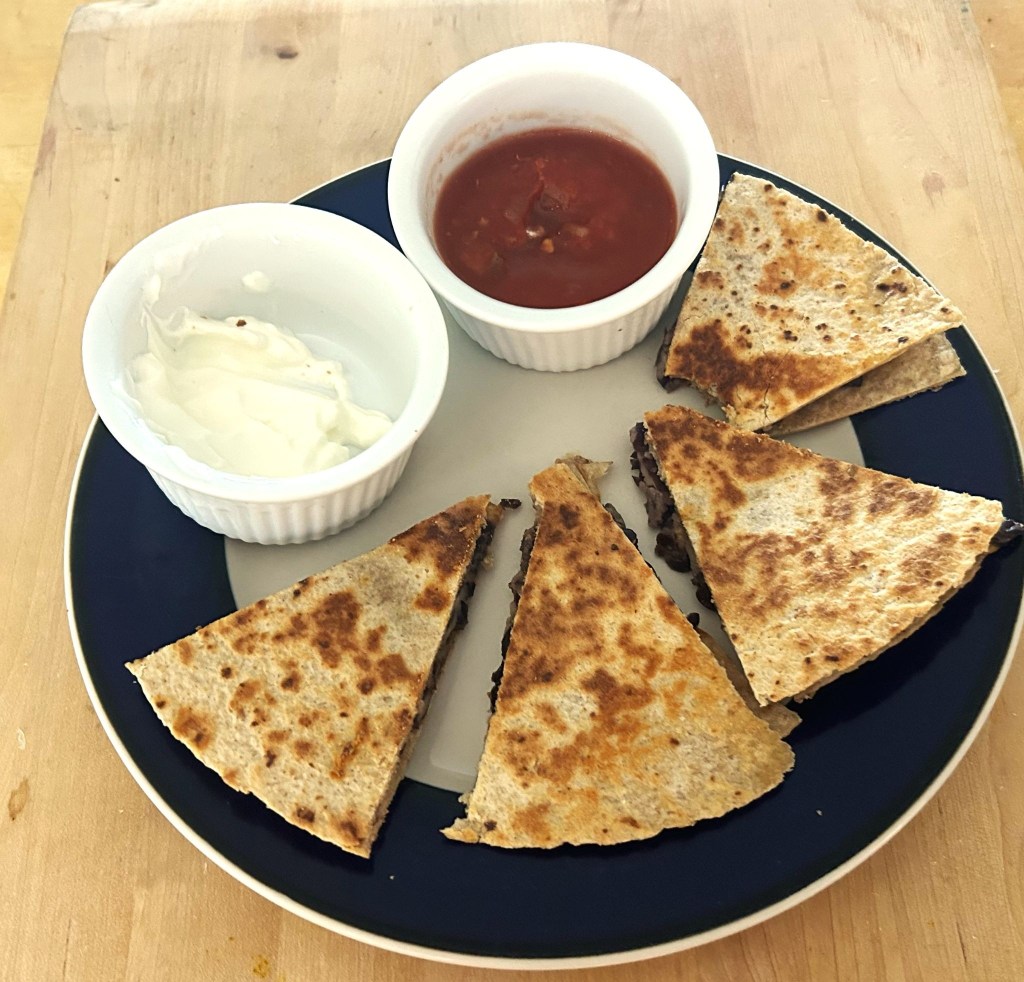
–Open a can of black or pinto beans and add to a medium saucepan (with some of the bean liquid). Season to taste with garlic powder, onion powder, cumin, and heat gently. Mash the beans and spread on tortilla chips, sprinkle with grated cheese and broil until the cheese melts. Instant nachos with extra protein. Serve with salsa, chopped tomatoes, lettuce and whatever else sounds good.

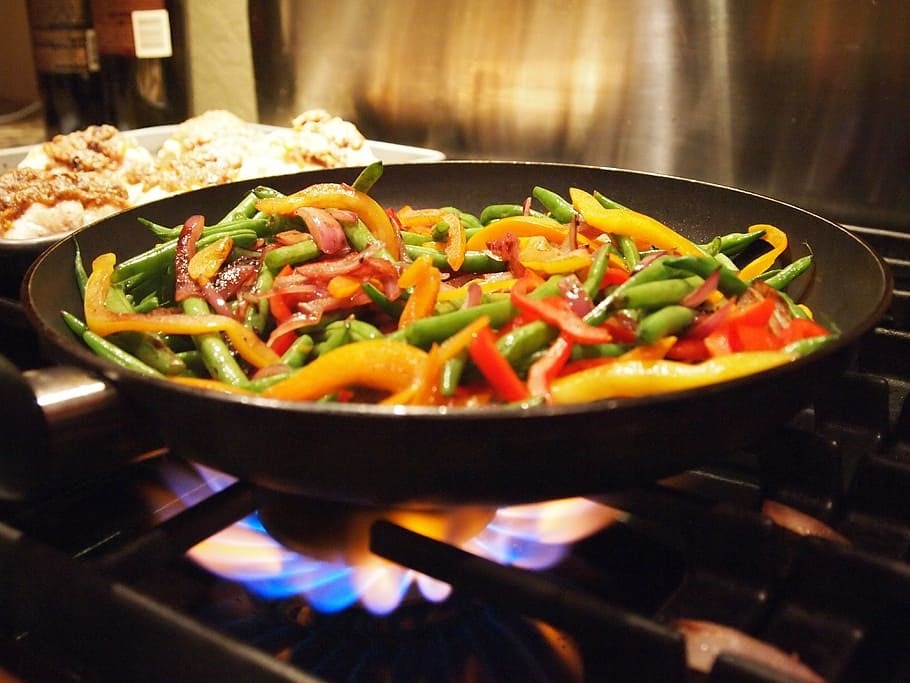
–Green beans – as soon as you get home from the market, top and tail them and cook for 5 minutes in boiling salted water. Then, when you want to eat them for dinner, blister them with minced garlic by sauteeing them in a hot pan filmed with olive oil – only 5 minutes. Serve as a side or add to cooked rice for a main dish.

–Chopped salad – make a base of finely chopped vegetables – broccoli, cauliflower, brussels sprouts, sweet peppers, carrot – any vegetables that will hold up for a few days. Don’t dress until ready to eat. Add ephemeral vegetables like cucumbers and tomatoes at the last minute to keep them fresh.

–Cabbage – keeps a long time so keep one on hand and you have an instant salad by slicing it thinly and dressing it with a vinaigrette.

–Carrots – also keep a long time and are delicious for snacking or lightly steamed or roasted. Mix with cooked rice for a delicious side dish.

–Fast noodles – keep ramen on hand and cook according to the package (without the flavor packet). They take about 3 minutes. Add absolutely anything to them for an instant meal. Roasted vegetables, leftover protein of any kind, cheese, scrambled egg. You can dress them with miso, soy or hoisin sauce for an Asian take. Add shredded carrots, chopped celery and shredded bok choy.